Schedule Your Free Roof Inspection
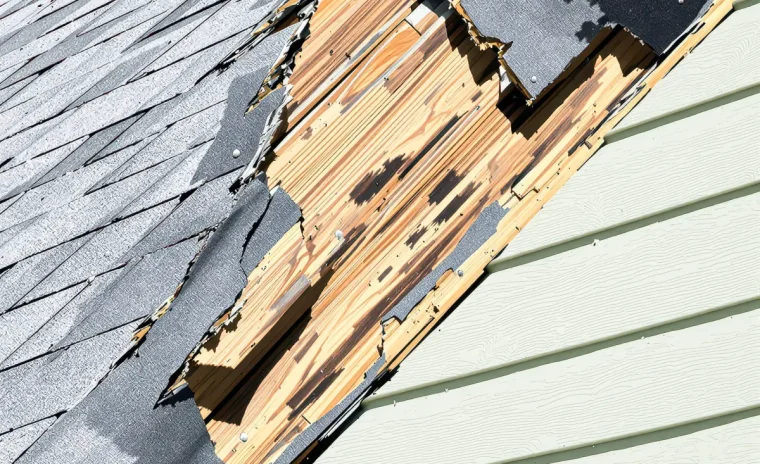
How to Spot Hail Damage on Your Roof
After a severe thunderstorm rolls through Central Texas, many homeowners stand in their yards wondering whether their roof sustained damage. Hail events are common throughout the Round Rock and Austin metro areas, particularly during spring and early summer months when warm, moist air collides with cooler fronts. The challenge lies in recognizing legitimate storm damage versus normal aging, a distinction that directly impacts your insurance claim’s success.
Hail damage on asphalt shingles typically appears as dark spots or bruises where the impact has crushed the underlying mat and displaced protective granules. Run your hand gently across a suspected area. If you feel a soft divot or see exposed black substrate beneath the granule layer, you are likely looking at hail strikes. In contrast, standard wear and tear presents as uniform granule loss across the entire roof surface, usually concentrated in valleys and along edges where water flow is highest.
Check your gutters and downspouts for an unusual accumulation of granules. A sudden influx of coarse, sand-like material after a storm signals that impacts have stripped the protective coating from your shingles. Similarly, inspect metal components such as roof vents, flashing, chimney caps, and gutter edges for dings and dents. Hail large enough to dent metal has almost certainly damaged your shingles, even if the marks are not immediately visible from ground level.
Do not overlook collateral indicators around your property. Examine vinyl siding for cracks or punctures, window screens for tears, and outdoor AC units for impact marks on the coil fins. Damage to these surfaces suggests your roof absorbed similar punishment. Wooden fence pickets and mailbox tops can also bear telltale dings that confirm a hail event’s severity.
Timing matters. Texas insurance carriers typically require claims to be filed within one year of the loss date, and some policies impose even tighter deadlines. Waiting too long can jeopardize your coverage, while filing prematurely without proper documentation can result in underpayment or denial. This is where a professional inspection becomes invaluable. A qualified roofing contractor trained in hail damage assessment can distinguish between storm impact and pre-existing conditions, measure the density and size of strikes, and provide the photographic evidence insurers demand.
Attempting a DIY inspection from the ground or a ladder carries real risk. Roof surfaces are steep, and walking on already-compromised shingles can worsen damage or void warranties. More importantly, untrained eyes miss subtle indicators that experienced professionals catch immediately. A roofing contractor will document strike patterns, measure damage density per test square, and identify concealed issues such as cracked decking or compromised underlayment that only become apparent during a thorough walk-through.
The Insurance Claim Process Step-by-Step
Filing a roof insurance claim in Texas follows a predictable sequence, but each step demands precision and thorough documentation. Understanding this process empowers homeowners to advocate for themselves and secure the full compensation they deserve.
Step 1: Obtain an Independent Inspection
Before contacting your insurance carrier, schedule an inspection with a local roofing contractor who specializes in storm damage assessment. This independent evaluation provides you with an unbiased damage report and a preliminary scope of necessary repairs. In the Round Rock area, reputable contractors perform these inspections at no charge and produce detailed documentation including photographs, measurements, and written findings. This baseline assessment protects you from potential lowball estimates and establishes the true extent of damage before the insurer’s adjuster arrives.
Step 2: File Your Claim Promptly
Contact your insurance carrier’s claims department as soon as you have confirmed damage. Provide the date of the storm, a brief description of the damage, and any supporting details such as weather reports from that date. Texas law requires insurers to acknowledge your claim within 15 days and begin investigation promptly. Request a copy of your policy’s declarations page to verify your wind and hail deductible, coverage limits, and any applicable depreciation clauses. Typical homeowner policies in Central Texas carry percentage-based wind/hail deductibles, often one or two percent of the dwelling coverage amount, which can significantly impact your out-of-pocket costs.
Step 3: Prepare for the Adjuster Meeting
Your insurer will assign an adjuster to inspect the property and determine claim eligibility. Schedule this visit at your earliest convenience, but never agree to meet without having your own roofing contractor present. Adjusters work for the insurance company, not for you, and their assessments can sometimes underestimate damage severity or overlook secondary issues. Having a contractor on-site ensures that every hail strike, compromised flashing detail, and hidden defect is documented and discussed in real time. Texas adjusters typically complete their inspection within 10 to 15 business days of claim filing, though high-volume storm events can extend this timeline.
Step 4: Review the Adjuster’s Report and Estimate
After the inspection, the adjuster will provide a written estimate detailing approved repairs and the settlement amount. Compare this document line-by-line against your contractor’s independent assessment. Discrepancies are common. Adjusters may exclude certain damaged components, apply inappropriate depreciation, or use below-market labor and material rates. If the insurer’s estimate falls short, your roofing contractor can prepare a supplemental claim with additional documentation, photographs, and industry-standard pricing to support the difference.
Step 5: Approve Repairs and Complete the Work
Once the claim is settled and funds are released, your roofing contractor will schedule the work. Most Texas policies issue payment in two stages: an initial check covering actual cash value (replacement cost minus depreciation) and a second check for the depreciation holdback upon completion and final inspection. Retain all invoices, receipts, and completion certificates to submit for the final payment. Reputable contractors coordinate directly with your lender if you have a mortgage, ensuring all parties receive proper documentation and fund disbursement follows protocol.
This process can stretch across several weeks, particularly after widespread hail events when carriers are inundated with claims. Patience and meticulous record-keeping are essential. Save every email, photograph, estimate, and correspondence. If disputes arise, this paper trail becomes your strongest defense. Working with a local roofing contractor experienced in Texas roof insurance claims transforms this process from overwhelming to manageable, ensuring nothing falls through the cracks.
Why You Need a Contractor Present
Insurance adjusters are trained professionals, but their incentive structure does not always align with your best interests. Carriers employ adjusters to assess claims efficiently and control costs, which can lead to conservative damage estimates that protect the insurer’s bottom line rather than fully compensating the homeowner. This is precisely why having your own roofing contractor present during the adjuster’s inspection is not just helpful but critical.
A qualified roofer brings specialized knowledge that the average homeowner lacks. Hail damage is not always obvious. Strikes can create micro-fractures in shingles that compromise waterproofing without producing visible surface bruising. Underlayment tears, damaged drip edges, and granule displacement in hard-to-reach zones frequently escape untrained observation. When a contractor walks the roof alongside the adjuster, these hidden issues are identified and documented on the spot, preventing future leaks and structural problems that would otherwise remain uncovered until long after the claim closes.
Equally important is the prevention of underpayment. Adjusters may measure damaged areas conservatively, exclude certain roof sections from the scope, or apply improper repair methods that fall short of manufacturer specifications and local building codes. A roofing contractor can immediately challenge these discrepancies with industry-standard measurements, code references, and photographic evidence. This real-time advocacy often means the difference between a partial settlement that leaves you covering thousands of dollars out-of-pocket and a full settlement that funds complete, code-compliant restoration.
In Central Texas, where hailstorms can impact entire neighborhoods simultaneously, adjusters are often under pressure to process high claim volumes quickly. Rushed inspections increase the likelihood of oversights. Your contractor slows the process down appropriately, ensuring every damaged component receives the attention it deserves. They speak the technical language adjusters understand, referencing HAAG Engineering standards for hail damage assessment and citing test square strike density that meets or exceeds insurance approval thresholds.
Consider, too, the psychological dynamic. Homeowners understandably feel intimidated when negotiating with insurance professionals. A roofing contractor levels the playing field. They have managed hundreds of claims, understand carrier tactics, and know exactly how to frame damage documentation to maximize approval rates. Their presence signals to the adjuster that this claim will be thoroughly vetted, which often results in more accurate initial estimates and fewer disputes down the line.
Beyond the claim itself, contractors provide continuity. After the adjuster leaves, your roofer remains your advocate, coordinating supplement requests, answering carrier questions, and ensuring the final settlement reflects the true scope of necessary work. This ongoing support transforms the claims process from adversarial to collaborative. When you work with a local roofing contractor who offers claims documentation assistance, you gain a partner who is invested in your outcome, not just a one-time transaction. This relationship-driven approach is especially valuable in Round Rock and surrounding areas, where repeat business and community reputation drive contractor accountability.
Warning Signs of Storm Chasers
In the immediate aftermath of a major hail event, out-of-town roofers descend on affected neighborhoods like clockwork. These so-called storm chasers operate with a short-term mindset, seeking quick profits before moving on to the next disaster zone. Their tactics are aggressive, their promises often hollow, and their work frequently substandard. Homeowners who fall victim to these predatory operators face financial loss, legal complications, and prolonged roofing problems that a reputable local roofing contractor must eventually fix.
Recognize the warning signs. Storm chasers typically arrive unannounced, knocking on doors within days of a storm and pressuring homeowners to sign contracts immediately. They claim to have spotted damage from the street and insist that you must act now to secure their services before they move to the next town. Legitimate contractors do not operate this way. Established local businesses respect your time, provide references, and allow you to make informed decisions without high-pressure sales tactics.
Another red flag is the demand for upfront payment or large deposits before work begins. Reputable roofing contractors in Texas do not require full payment in advance. Most operate on a progress payment schedule tied to project milestones, with final payment due only after completion and your satisfaction. Storm chasers, by contrast, often collect funds and disappear, leaving homeowners with incomplete work, voided warranties, and no recourse.
Licensing and insurance are non-negotiable. Texas law does not require state-level roofing licenses, but reputable contractors carry general liability insurance and workers’ compensation coverage to protect homeowners from liability. Storm chasers frequently operate without proper insurance, using temporary addresses and shell companies that dissolve after storm season. If an uninsured worker is injured on your property, you could face significant legal and financial consequences. Always verify a contractor’s insurance coverage by requesting certificates directly from their carrier, not photocopies that can be easily forged.
Check for local credentials and community ties. Membership in organizations such as the Better Business Bureau, local chambers of commerce, and industry associations like the National Roofing Contractors Association signals a commitment to ethical business practices and long-term accountability. A BBB A-rating, in particular, reflects a history of resolving customer complaints and maintaining high standards. Storm chasers lack these credentials because they have no intention of staying in the area long enough to build a reputation.
Workmanship quality suffers when contractors lack local investment. Storm chasers hire temporary labor crews with minimal training, rush through installations to maximize volume, and cut corners on materials to boost margins. The result is poor flashing details, improper shingle alignment, inadequate ventilation, and voided manufacturer warranties. When problems emerge months later, the company is long gone and unreachable. Homeowners are left to hire a local contractor for expensive corrective work, effectively paying twice for the same job.
Contrast this with the benefits of partnering with an established local roofing contractor. Local businesses maintain permanent offices, employ in-house crews, and depend on reputation and referrals for sustained success. They pull permits, follow manufacturer installation guidelines, and stand behind their work with written warranties. If an issue arises, you know exactly where to find them. In Round Rock and the surrounding Central Texas region, local contractors understand regional building codes, climate-specific roofing requirements, and the nuances of working with local insurance carriers. This expertise translates to smoother projects, fewer surprises, and better long-term outcomes.
When evaluating contractors after a storm, ask pointed questions. How long have you been in business at your current location? Can you provide local references from recent projects? Will you use an in-house crew or subcontractors? What warranties do you offer, and who honors them if your company changes ownership? A legitimate contractor welcomes these questions and provides clear, verifiable answers. A storm chaser deflects, rushes, or offers vague reassurances.
Protecting yourself from storm chasers requires vigilance and a commitment to due diligence. Take the time to research, verify credentials, and choose a roofing contractor with deep local roots and a track record of quality. The few extra days spent vetting options will save you from months or years of regret. Your roof is too important, and your investment too significant, to entrust to a fly-by-night operator. Work with a contractor who will be there not just for the installation, but for the lifetime of your roof.
Next Steps After a Hail Event
In the immediate aftermath of a major hail event, out-of-town roofers descend on affected neighborhoods like clockwork. These so-called storm chasers operate with a short-term mindset, seeking quick profits before moving on to the next disaster zone. Their business model relies on speed and volume rather than quality workmanship and long-term customer relationships.
Storm chasers typically arrive within days of a severe weather event, canvassing neighborhoods door-to-door with aggressive sales tactics. They often lack proper Texas contractor licensing, carry insufficient insurance coverage, and provide no meaningful warranty protection once they leave the area. When problems arise months later, homeowners discover that the company has vanished, leaving no recourse for shoddy workmanship or incomplete repairs.
Recognizing the warning signs of storm chasers protects your home and your insurance claim. Be wary of contractors who:
- Knock on your door unsolicited immediately after a storm, claiming they “happened to be in the neighborhood”
- Pressure you to sign a contract before conducting a thorough inspection or providing detailed estimates
- Offer to waive your insurance deductible, which constitutes insurance fraud in Texas
- Request large upfront payments or full payment before starting work
- Cannot provide a permanent local business address, only a P.O. box or out-of-state location
- Lack verifiable references from recent local customers or a Better Business Bureau rating
- Use unmarked vehicles or rental trucks rather than company-branded fleet vehicles
- Offer “today only” pricing or create artificial urgency to prevent you from obtaining multiple bids
The contrast between storm chasers and established local roofing contractors is stark. A reputable local roofing contractor maintains a permanent business location in the Round Rock or Austin area, employs trained in-house crews rather than subcontractors, and has built a reputation over years of consistent service. They hold proper Texas licensing, maintain substantial liability and workers’ compensation insurance, and stand behind their work with enforceable warranties.
Local contractors have a vested interest in their reputation within the community. They depend on referrals, online reviews, and repeat business from satisfied customers. This accountability creates a natural incentive for quality workmanship and ethical business practices. When you hire a local roofing contractor with BBB accreditation and verifiable local references, you gain a partner who will be available if questions or concerns arise months or years after the repair.
Storm chasers often complicate insurance claims rather than helping them. They may encourage homeowners to file inflated claims, use substandard materials while billing for premium products, or abandon projects mid-stream when insurance negotiations become complex. These practices can jeopardize your claim, violate your insurance policy terms, and leave you financially exposed.
Verify any roofing contractor’s credentials before signing any agreement. Check their Texas contractor license status through the Texas Department of Licensing and Regulation, confirm their BBB rating and complaint history, and request certificates of insurance directly from their carrier. A legitimate local contractor welcomes this scrutiny and provides documentation readily.
The few days you invest in vetting contractors properly will protect you from months or years of regret. When your home and your insurance claim are at stake, working with an established local roofing contractor is not just the safer choice but the only responsible one.